

How Hypnotherapy and Mindfulness Work Together
In today’s fast-paced life, many people feel like their minds are constantly running — worrying about the future, replaying the past, and rarely finding a moment of calm. That’s where hypnotherapy and mindfulness come together as a surprisingly effective team. Each works differently, but together they create a powerful balance between awareness and change.
Hypnotherapy helps quiet the noise of the conscious mind so you can reach the deeper part of yourself — the subconscious — where habits, fears, and emotions are stored. Mindfulness, on the other hand, teaches you to stay present, to notice your thoughts without reacting or judging them. When used together, mindfulness builds awareness, and hypnotherapy helps reshape what’s underneath that awareness.
This combination isn’t about losing control or “getting hypnotized.” It’s about gaining control — over stress, habits, and emotional patterns that often feel automatic. More people are discovering how these two approaches help them focus better, worry less, and respond to life with more calm and clarity.
In the next sections, we’ll explore how hypnotherapy and mindfulness work individually, how they strengthen each other, and how you can use both to support emotional healing and mental clarity.
Understanding the Two Practices
What Is Hypnotherapy?
Hypnotherapy is a guided process that helps a person reach a relaxed, focused state where the mind becomes more open to positive suggestions. In this state, the conscious mind steps aside, allowing the subconscious—the part that shapes habits, emotions, and automatic reactions—to be influenced in healthier ways.
It’s not about losing control or falling asleep. You stay aware, but your attention turns inward, making it easier to change patterns that are hard to break through logic alone. For example, if someone struggles with smoking or anxiety, hypnotherapy helps identify the emotional triggers behind those behaviors and gently reprogram how the mind responds to them.
Therapists use different techniques such as guided imagery, affirmations, and relaxation methods to help the mind focus on desired outcomes. Over time, this can reduce stress, improve sleep, and help people manage emotions more effectively.
What Is Mindfulness?
Mindfulness is the practice of being fully present—aware of your thoughts, feelings, and surroundings without judgment. It’s about noticing what’s happening right now instead of getting lost in what already happened or what might happen next.
This simple awareness can make a big difference. By observing thoughts instead of reacting to them, you create space to respond calmly rather than automatically. Regular mindfulness practice, whether through meditation, breathing exercises, or daily pauses, strengthens concentration and reduces mental clutter.
Research shows that mindfulness can lower stress hormones, improve emotional regulation, and even reshape brain areas related to attention and empathy. It’s an accessible, everyday skill that helps people handle challenges with more patience and clarity.
Both hypnotherapy and mindfulness promote self-awareness and calm, but they work in different ways. Mindfulness strengthens conscious awareness, while hypnotherapy rewires deeper thought patterns. When combined, they create a balanced approach to mental and emotional healing—something we’ll explore next.
How Hypnotherapy and Mindfulness Work Together
 Hypnotherapy and mindfulness connect the two layers of the mind—the conscious and the subconscious. Mindfulness strengthens awareness in the present moment, helping you notice patterns, emotions, and reactions as they arise. Hypnotherapy then works beneath that awareness, reshaping the old beliefs and emotional responses that drive those patterns.
Think of it like working on a garden. Mindfulness helps you see the weeds clearly—those thoughts or habits that no longer serve you. Hypnotherapy goes deeper and helps you pull them out by the roots. Together, they make growth possible and lasting.
This combination allows people to process emotions instead of suppressing them. While mindfulness keeps you grounded in the moment, hypnotherapy helps reframe the subconscious stories attached to past experiences. Over time, this creates a calm, steady state of mind that reacts less and responds more.
Shared Goals and Subtle Differences
Both practices aim to bring balance, awareness, and inner peace. Yet, they work through different paths:
- Mindfulness teaches observation and acceptance. It helps you understand what’s happening without judgment.
- Hypnotherapy encourages transformation. It helps you change how you think, feel, or react by working directly with subconscious conditioning.
When used together, they support each other naturally. Mindfulness builds self-awareness, making it easier to recognize triggers. Hypnotherapy then helps rewrite those responses, turning awareness into action. The result is a smoother process of healing and self-improvement—less resistance, more clarity.
As you can see, mindfulness and hypnotherapy complement each other beautifully—one builds awareness, and the other enables deep change. In the next section, we’ll look at the real-world benefits of combining them, from reducing anxiety and stress to improving focus and emotional balance.
Benefits of Combining Hypnotherapy and Mindfulness
Finding peace of mind isn’t just about relaxation—it’s about changing how your mind and body respond to life’s daily pressures. When hypnotherapy and mindfulness work together, they create a balanced approach that helps calm your thoughts, reshape habits, and strengthen emotional stability. Each supports the other, making healing and growth feel more natural and lasting.
-
1. Reducing Stress and Anxiety
Stress often begins in the mind before it shows up in the body. Mindfulness helps you pause and notice anxious thoughts before they spiral, while hypnotherapy works deeper to change how your subconscious reacts to stress. Together, they retrain both the body and mind to stay calm under pressure.
With regular practice, breathing steadies, tension eases, and focus improves. People often describe feeling more grounded and less reactive, even in situations that once caused anxiety.
-
2. Breaking Negative Habits
Habits are stored deep in the subconscious, which is why willpower alone rarely works. Mindfulness helps you catch those automatic urges as they appear, while hypnotherapy rewires the emotional connection that fuels them.
Over time, this combination makes behavior change feel more effortless. Instead of fighting old impulses, you naturally start choosing better actions that align with what you truly want.
-
3. Improving Focus and Clarity
Distraction is one of the biggest obstacles in daily life. Mindfulness trains your attention to stay on one thing at a time. Hypnotherapy strengthens that focus from within by reinforcing confidence and self-belief.
Together, they sharpen mental clarity, reduce brain fog, and make it easier to stay present in demanding moments—whether at work, school, or during important conversations.
-
4. Enhancing Emotional Resilience
Emotional strength doesn’t come from avoiding feelings but from understanding them. Mindfulness helps you recognize emotions as they arise without judgment. Hypnotherapy helps release the deeper emotional triggers behind them.
This combination builds calm confidence. You react less, recover faster, and feel more in control of how you handle stress, conflict, or disappointment.
-
5. Supporting Deeper Healing and Self-Connection
Mindfulness keeps you aware of the present, while hypnotherapy helps uncover and heal what’s buried underneath. Together, they reconnect you with yourself—your values, emotions, and sense of purpose.
People often describe this as a gentle inner reset: a renewed ability to forgive, let go, and move forward with clarity. It’s healing that feels honest and empowering, not forced.
As more people experience these results, researchers are taking a closer look at how this combination influences the brain and emotional health.
How to Integrate Both Practices in Daily Life
Building mindfulness and hypnotherapy into daily life doesn’t have to be complicated. It’s about creating short, consistent moments that reconnect you with your thoughts and emotions while helping your subconscious mind absorb positive change. Even a few minutes a day can make a big difference if done with purpose and attention.
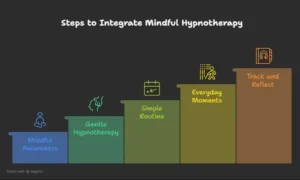 1. Start with Mindful Awareness
Begin with something simple—like mindful breathing or observation. Take a few slow breaths, notice how your body feels, and let your attention rest on the present moment. The goal isn’t to control your thoughts but to notice them without reacting.
You can practice this while drinking coffee, walking, or waiting at a stoplight. These short pauses help your mind reset, making it easier to stay grounded through the day.
2. Add Gentle Hypnotherapy Practices
Once mindfulness feels natural, add short hypnotherapy exercises. These can include guided audio sessions, visualization, or positive affirmations repeated while relaxed. For example, listening to a 10-minute guided session before bed can help your subconscious absorb calm, empowering suggestions while your mind unwinds.
If you’re new to it, start with recorded hypnotherapy tracks from certified professionals. Over time, you’ll find which ones help you relax and focus best.
3. Create a Simple Routine
Combine both in a short daily flow:
- Begin with two minutes of mindful breathing.
- Follow with a short hypnotherapy or visualization session.
- End by quietly reflecting on how you feel.
This routine doesn’t require special equipment or a set schedule—just consistency. The more often you do it, the stronger your mental focus and emotional balance become.
4. Practice During Everyday Moments
You don’t need a quiet room to practice awareness. Use everyday experiences—washing dishes, driving, or walking—to stay mindful. If a stressful thought appears, take a deep breath, acknowledge it, and let it go.
Pair this with small hypnotherapy cues, like repeating a calm statement (“I’m safe,” “I’m in control,” “I’m improving every day”) when you feel tense. These simple reinforcements help connect the conscious and subconscious mind, turning practice into habit.
5. Track Progress and Reflect
Journaling after a session helps you see patterns—what calms you, what triggers stress, and how your focus changes over time. It’s not about perfection but progress. Over weeks, you’ll notice clearer thinking, more patience, and a stronger ability to manage emotions.
Integrating both hypnotherapy and mindfulness is about steady growth, not big leaps. As you continue, their effects compound—quieting mental noise, building self-trust, and helping you live with more clarity and ease.
Common Misconceptions to Avoid
Even though mindfulness and hypnotherapy have become more popular, many people still misunderstand how they work. These misconceptions often stop them from exploring two practices that can truly improve emotional and mental well-being. Clearing up these ideas helps you approach both with confidence and realistic expectations.
-
1. “Hypnosis means losing control.”
This is one of the biggest myths. Hypnotherapy isn’t about someone taking control of your mind—it’s about helping you access deeper focus and awareness. You remain awake, aware, and in charge the entire time. The therapist simply guides your attention so your mind can process thoughts and emotions more effectively. In reality, hypnosis increases control over habits and emotions, rather than removing it.
-
2. “Mindfulness means stopping all thoughts.”
Mindfulness isn’t about forcing a blank mind. It’s about observing your thoughts without judgment and returning your focus to the present. Everyone’s mind wanders—that’s normal. The goal is to notice when it does and gently bring it back. Over time, this builds calm awareness and emotional balance, not mental emptiness.
-
3. “You need hours every day for it to work.”
You don’t need long sessions to see benefits. Even five to ten minutes of mindful breathing or a short hypnotherapy session can make a noticeable difference. What matters most is consistency, not duration. Small daily practices add up, creating lasting shifts in how you think and respond.
-
4. “Hypnotherapy works instantly.”
While some people experience quick breakthroughs, most results come gradually. The subconscious learns through repetition and gentle reinforcement. Each session helps your mind absorb positive patterns a bit deeper. Think of it as training your mind the same way you’d strengthen a muscle—with steady, repeated effort.
-
5. “Mindfulness and hypnotherapy are the same thing.”
They share similarities—both use focus and relaxation—but they serve different purposes. Mindfulness builds awareness and acceptance. Hypnotherapy creates change through suggestion and subconscious reprogramming. When combined, they balance each other perfectly: mindfulness helps you notice, and hypnotherapy helps you transform.
Conclusion
Mindfulness and hypnotherapy together offer more than relaxation—they build lasting balance between awareness and change. Mindfulness keeps you present, while hypnotherapy helps reshape deeper patterns holding you back.
The real transformation happens through small, consistent practice. A few mindful minutes or a short guided session can gradually quiet the mind, ease stress, and strengthen focus.
Lasting calm doesn’t come from control—it comes from understanding yourself better. With mindfulness and hypnotherapy working together, that understanding becomes natural, steady, and real.