
How Hypnotherapy Can Help You Quit Smoking
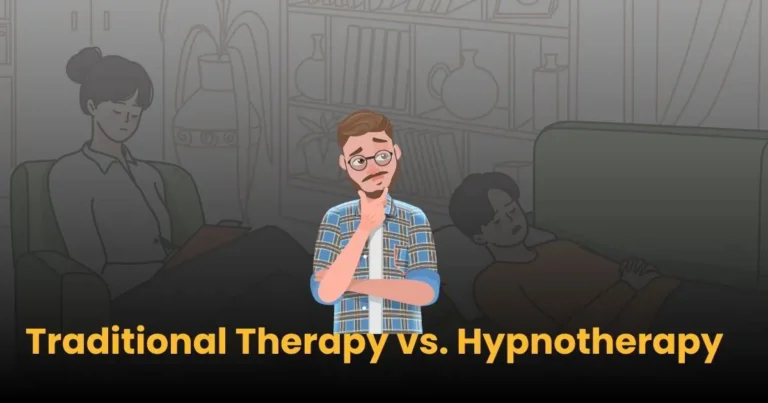
Quitting smoking is tough because it’s more than a habit—it’s both physical and mental. Traditional methods like patches or gum focus on nicotine, but they don’t change the mind’s connection to smoking.
Hypnotherapy works differently. It helps retrain the subconscious to break that link, easing cravings and changing how you respond to triggers. Research shows it can be effective for those ready to quit.
This article explains how hypnotherapy works, what science says about it, and what you can expect if you try it.
Understanding Hypnotherapy and How It Targets Smoking Habits
What Is Hypnotherapy?
Hypnotherapy is a guided process that helps you reach a calm, focused state where your mind becomes more open to positive suggestions. It doesn’t put you under anyone’s control—you stay aware and in charge the whole time. The goal is to access the subconscious mind, where long-held habits and beliefs about smoking are stored.
Many people think hypnosis is about tricks or mind control, but it’s closer to a deep form of relaxation and concentration. It helps quiet mental noise so you can focus on changing the thought patterns that make smoking feel necessary or comforting.
How Hypnotherapy Works for Smokers
 Smoking often becomes automatic—a response to stress, boredom, or certain times of day. Hypnotherapy works by interrupting those automatic patterns and reprogramming how your mind reacts to them. Through verbal suggestions, the therapist helps create new mental links—such as associating cigarettes with unpleasant smells or the feeling of freedom instead of stress relief.
This mental reset helps reduce cravings and the emotional pull of smoking. Over time, your subconscious begins to reject cigarettes as something unnecessary. Many sessions also include positive reinforcement, such as imagining life as a confident non-smoker or breathing clean air with ease.
Some people use self-hypnosis or recorded sessions afterward to strengthen these changes. When practiced consistently, hypnotherapy helps replace the urge to smoke with a sense of calm and control—making it easier to quit and stay smoke-free.
What the Research Says About Hypnotherapy for Smoking Cessation
Overview of Major Studies
Research on hypnotherapy for quitting smoking shows mixed but encouraging results. Some studies report higher success rates compared to traditional methods, especially for people who are motivated to quit. A 2019 review found that hypnosis can double the chances of long-term abstinence when combined with counseling or behavioral support. However, results depend on factors like the therapist’s skill, session consistency, and the individual’s mindset.
Most studies agree on one point—hypnotherapy helps by changing thought patterns, not by fighting withdrawal alone. It strengthens the mental side of quitting, which is often where other methods fall short.
Comparing Hypnotherapy to Other Quit-Smoking Methods
Nicotine patches and medications reduce cravings, but they don’t break the mental link to smoking. Cognitive Behavioral Therapy (CBT) helps reframe thoughts but can take longer to feel effective. Hypnotherapy bridges both—addressing habits and emotions while promoting relaxation and confidence.
It’s also drug-free and has no side effects, making it a safer choice for many. While some people may benefit from combining hypnosis with nicotine replacement or counseling, others find it works well as a standalone approach.
The Psychology Behind the Results
Hypnotherapy works because it speaks directly to the subconscious, where habits are stored. By changing how the brain associates cigarettes with comfort or stress relief, hypnosis helps weaken the emotional grip smoking holds. It also builds self-belief—helping people see themselves as non-smokers rather than trying to “quit.”
This mental shift is key to staying smoke-free. Research shows that when people truly change how they view smoking, relapse rates drop significantly. Hypnotherapy supports that transformation, helping the mind and body align toward lasting change.
What to Expect from a Stop-Smoking Hypnotherapy Session
The Process Step-by-Step
A typical quit-smoking hypnotherapy session starts with a short conversation about your smoking history, triggers, and goals. The therapist uses this to shape the session around your specific habits and motivation. Once you’re comfortable, you’re guided into a calm, focused state—similar to deep relaxation or meditation.
During this state, your mind becomes more open to positive suggestions. The therapist might help you imagine cigarettes as unpleasant, reinforce the benefits of quitting, or build confidence in staying smoke-free. These suggestions aim to weaken the emotional and habitual pull of smoking. You remain aware and can open your eyes or speak at any time.
The session usually ends with a short discussion about how you feel and what to expect in the next few days. Many people report feeling lighter, calmer, or simply less drawn to cigarettes afterward.
How Many Sessions Are Needed
The number of sessions varies. Some people see results after one or two visits, while others benefit from three or more. Factors like stress levels, smoking frequency, and readiness to quit play a role. Most therapists recommend a follow-up session or self-hypnosis audio to reinforce the progress.
Finding a Qualified Hypnotherapist
Choosing the right hypnotherapist makes a big difference. Look for certified professionals with training in smoking cessation or behavioral therapy. Ask about their approach and past results, and avoid anyone promising instant results or using pressure tactics.
You can check trusted organizations such as the American Society of Clinical Hypnosis or the National Guild of Hypnotists for verified practitioners. A skilled therapist will make you feel safe, informed, and supported throughout your quitting process.
Can Hypnotherapy Really Help You Quit Smoking?
Who Benefits the Most
Hypnotherapy works best for people who are ready to quit and open to the process. It’s especially helpful for those who have tried other methods but still struggle with the mental side of addiction. Smokers who recognize their triggers—like stress, social settings, or routines—and want to change how they respond to them often see the strongest results.
People who believe in the power of the mind-body connection also tend to benefit more. The more engaged and committed you are during sessions, the faster your subconscious adapts to new thought patterns. Hypnotherapy isn’t about forcing yourself to quit—it’s about changing how you think and feel about smoking.
When It Might Not Be the Right Fit
Hypnotherapy may not be suitable for everyone. Those who are highly skeptical, uncomfortable relaxing, or unwilling to engage with the process might not experience meaningful results. It’s also important for people with certain mental health conditions to speak with their doctor before starting.
For many, combining hypnotherapy with other proven strategies—like counseling, nicotine replacement, or lifestyle changes—can create better outcomes. The key is finding what works for you and staying consistent with it.
5 Tips to Maximize Your Results with Hypnotherapy
Quitting gets easier when you actively support the process. Here are five simple ways to make your hypnotherapy sessions more effective and long-lasting.
-
Be Clear About Why You Want to Quit
Go into hypnotherapy with a strong personal reason. Whether it’s for your health, family, or peace of mind, having a clear “why” keeps you focused and motivated throughout the process.
-
Keep an Open Mind
Hypnosis works best when you allow yourself to relax and trust the process. You don’t need to “believe” in it blindly—just stay open and willing to follow your therapist’s guidance.
-
Practice Self-Hypnosis or Guided Audio
Reinforcing positive suggestions at home helps the results last longer. Many therapists provide recordings you can use daily to strengthen new thought patterns.
-
Avoid Triggers Early On
Stay away from situations, people, or habits linked to smoking—like drinking alcohol or taking breaks with smokers. This gives your new mindset time to solidify.
-
Combine It with Healthy Habits
Replace smoking with positive routines like walking, deep breathing, or staying hydrated. These small changes keep stress low and make quitting feel more natural.
Conclusion
Quitting smoking takes more than willpower—it takes changing how your mind connects to the habit. Hypnotherapy offers a simple, natural way to do that by working directly with the subconscious patterns that keep you smoking. It helps you build new associations, reduce cravings, and feel more in control of your choices.
While no method works for everyone, hypnotherapy stands out because it targets the root of the problem—the mental habit, not just the physical craving. Combined with commitment, consistency, and healthy daily routines, it can be a strong path to lasting freedom from cigarettes.
If you’ve tried other methods and still struggle to quit, hypnotherapy might be the reset your mind needs to finally break free and start fresh.